
Sewage Treatment Plant (STP)
With the advent of new, advanced technology, we have witnessed improvement in every aspect of our life. The area of wastewater treatment and purification is not untouched of the new technology. In the era of technological advancements, it is important to challenge conventional approaches and stereotype methodologies of wastewater treatment to determine the value addition, re-evaluate systems efficiencies, and move towards innovative ways of treating wastewater differently.
We at Aqua Specialists., through research-enabling and innovative technologies, have revolutionized the field of wastewater treatment and purification with a unique, best-possible solution.
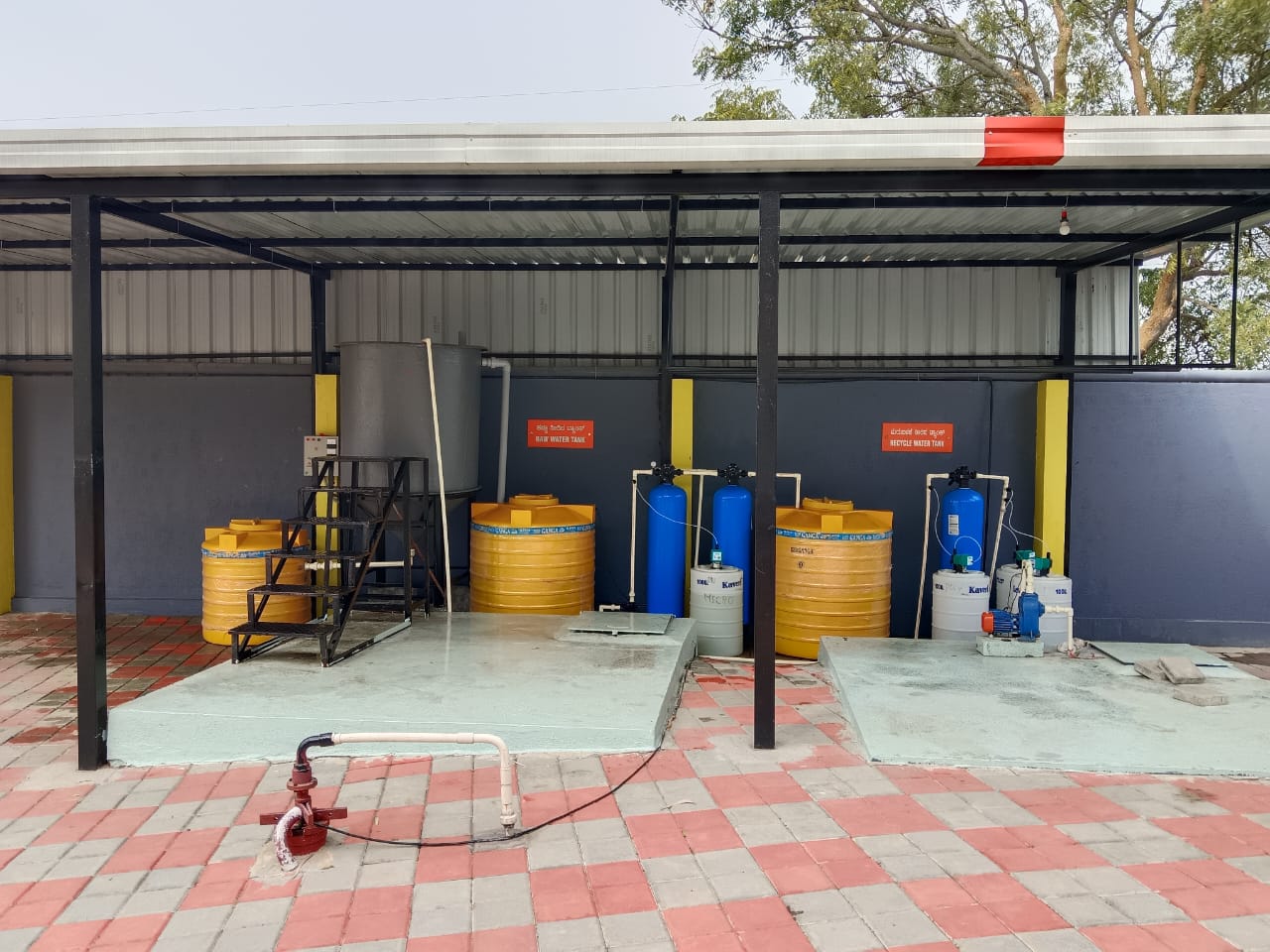
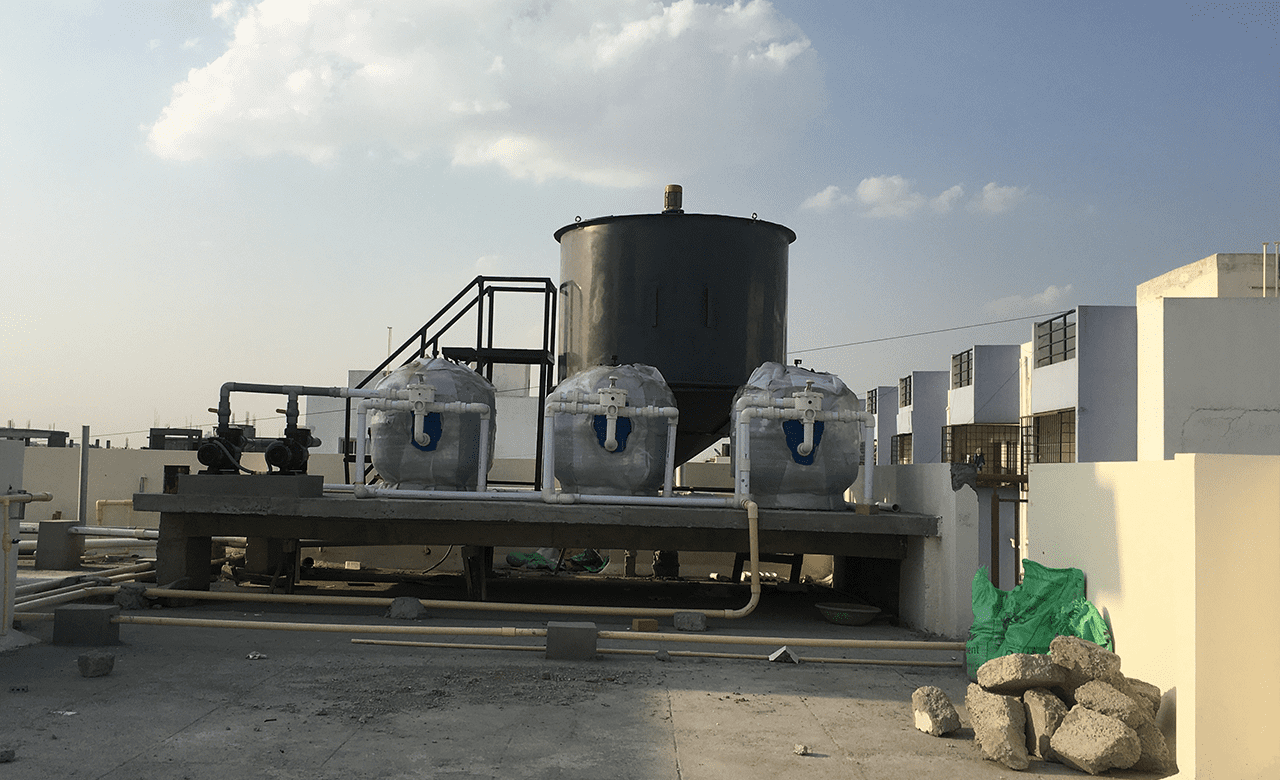
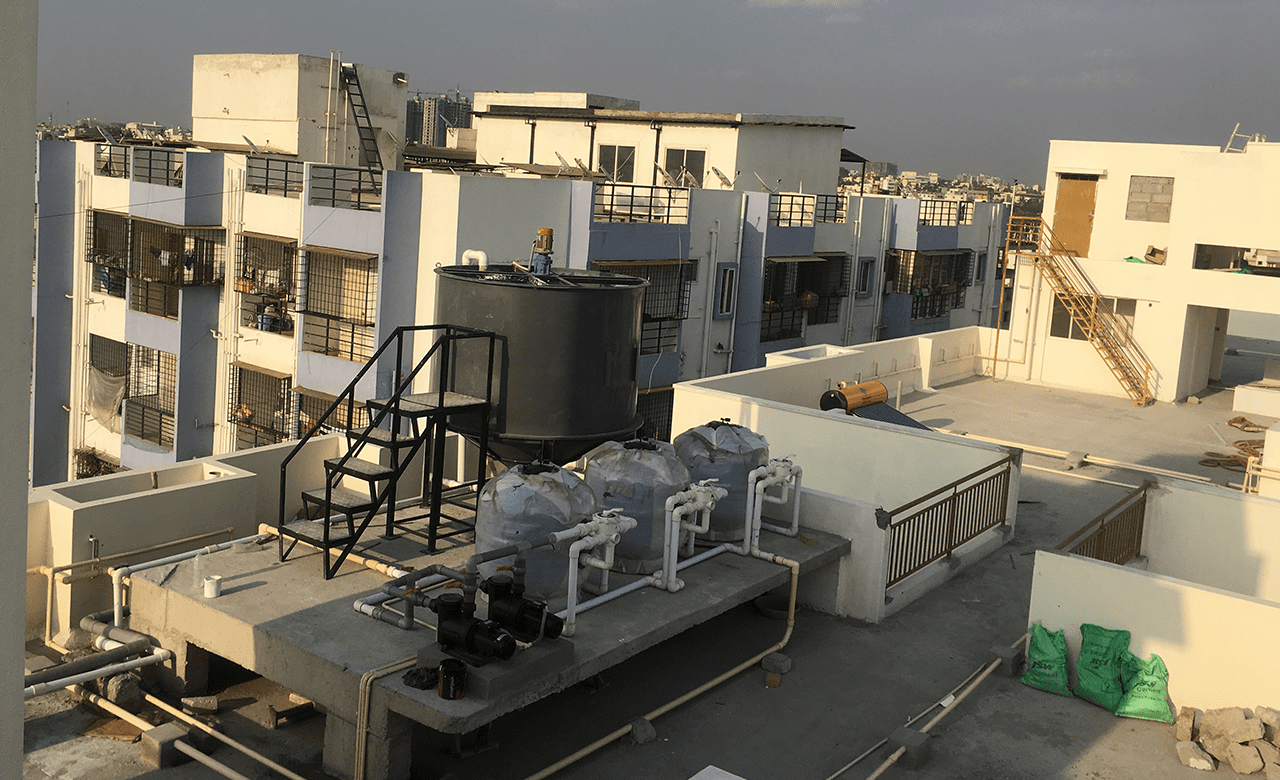
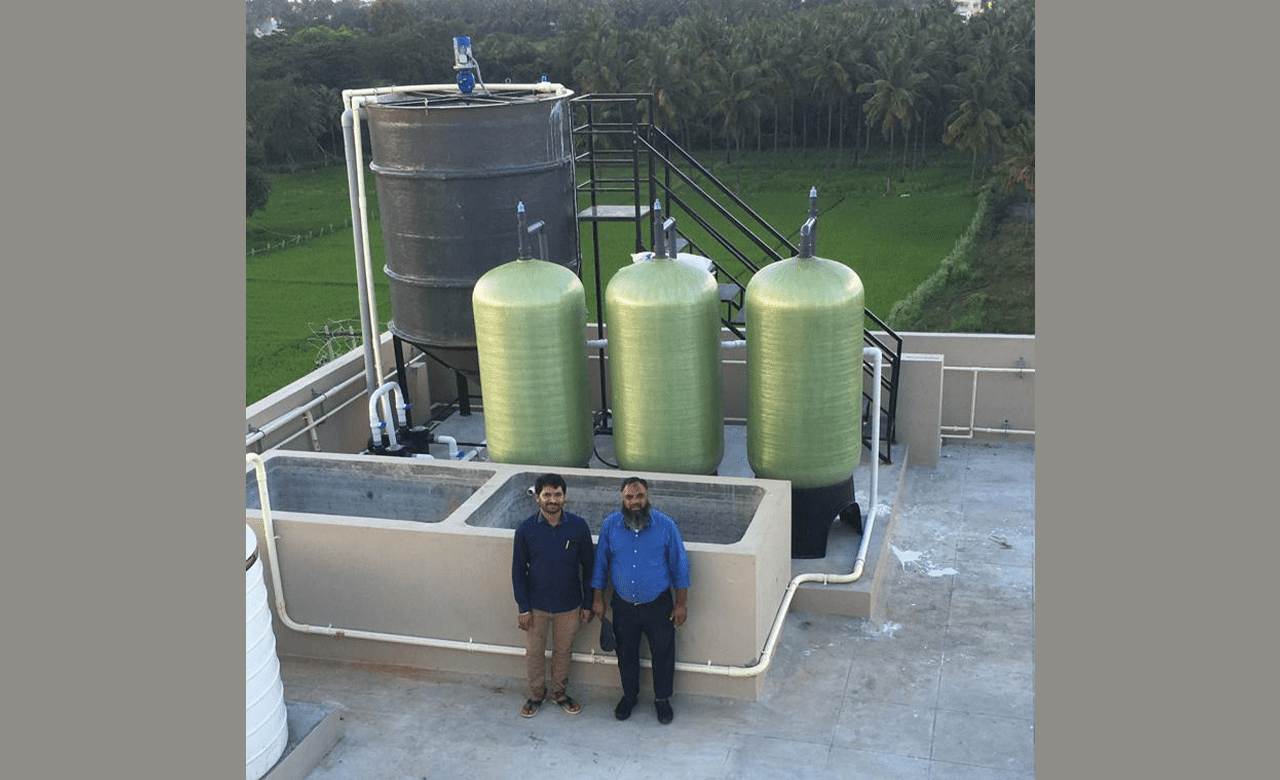
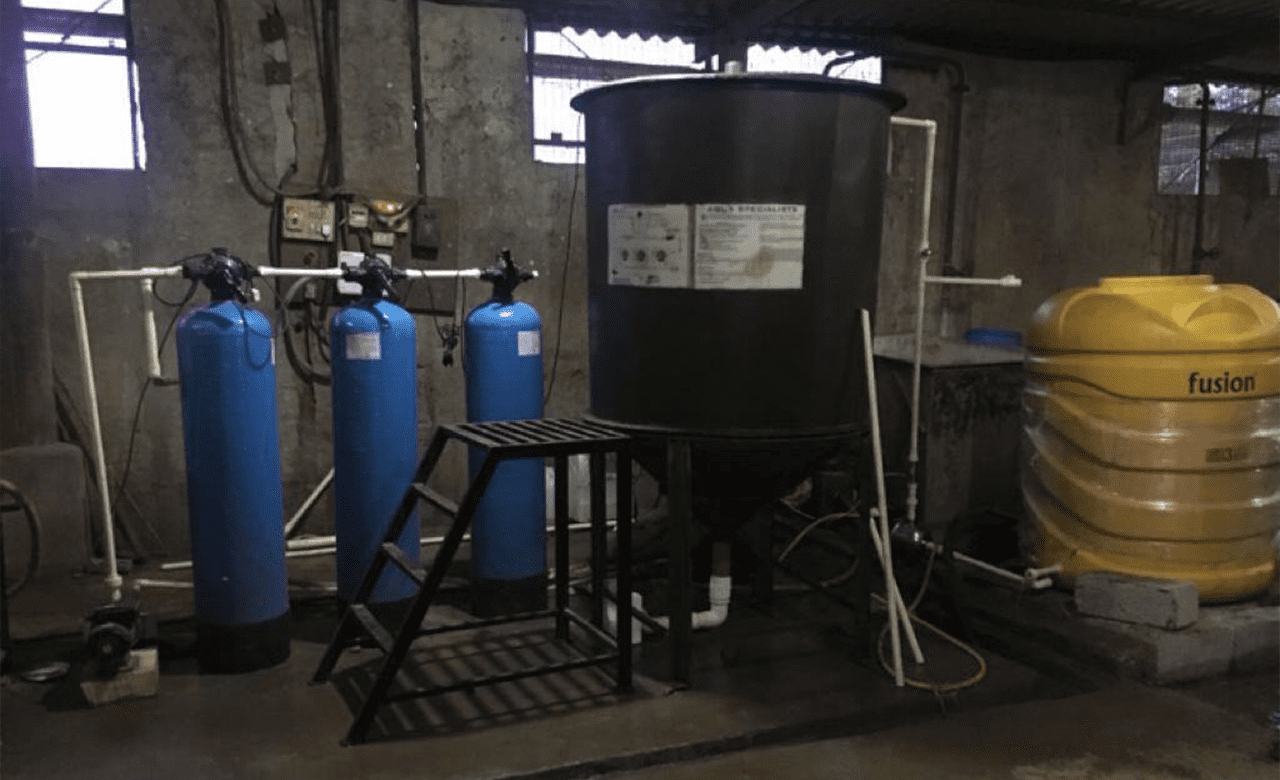
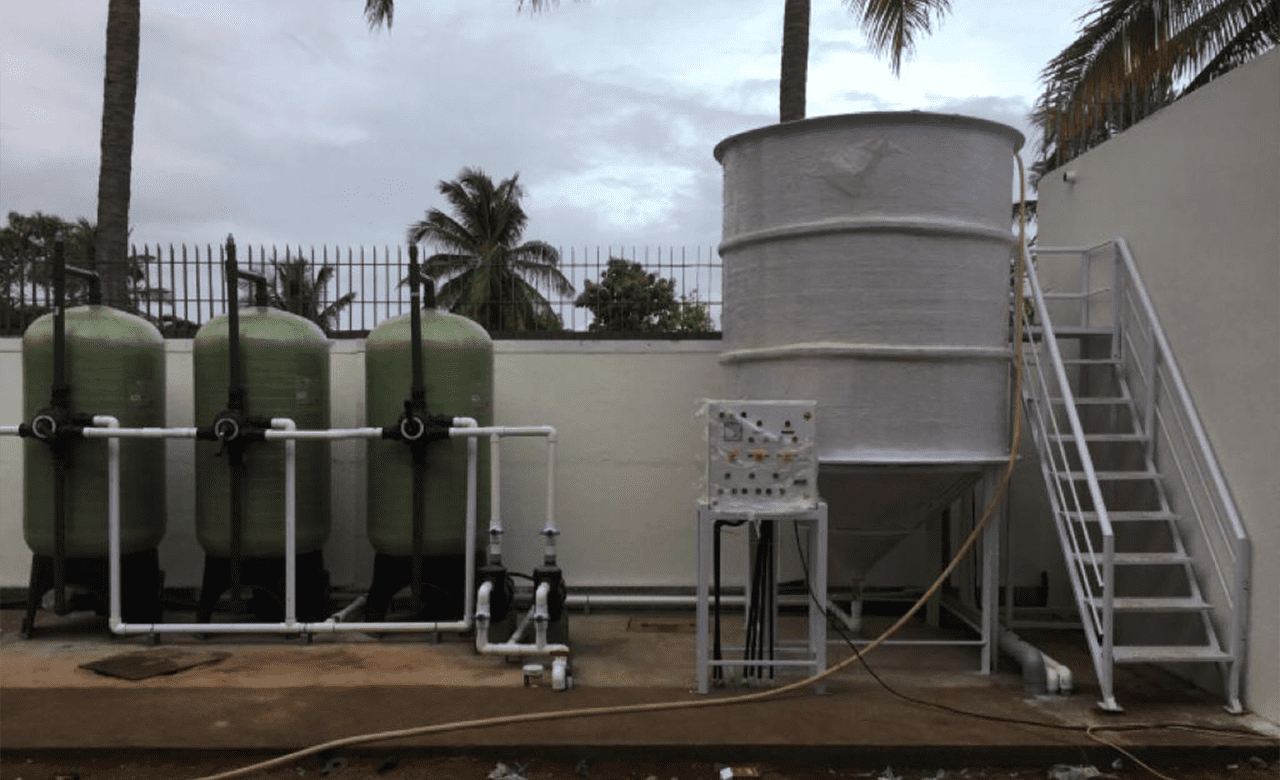
We introduce a unique and emerging process called “SMART STP/ETP technology” based on chemical formulation, without too much of dependency on electrical power. Our sewage plant treats sewage (black/grey) and industrial effluent in quick time. The compact design of this plant requires least space and is convenient for installation (it can be installed anywhere, ground or rooftop; even relocation of this plant is easy). Using this technology, we recover good-quality, freshwater water that can be used for multiple purposes, for example, flushing, vehicle washing, gardening, borehole recharge, agriculture, construction, industrial recycling, fire protection, cooling towers and many more. This technology can be used to rejuvenate water bodies such as lakes/ponds.
Key Features For Sewage Treatment Plant (STP)
- It requires less capital for treating the water to a potable standard
- It delivers waste management services at affordable prices and is environmentally acceptable
- It does not require aerators and biological treatment
- It requires least machinery intervention for maintaining the water
- It consumes low power
- It does not allow algae formation in water storage tanks
- It allows less sludge formation—a maximum of 0.03–0.05% in sewage/easy sludge management
- It provides odorless, fumeless, and nontoxic water.
- It takes less than an hour to treat sewage water of any volume
- It requires minimum manpower. It is a need-based, operator-friendly plant
- It is a plug-and-play technology-based plant
- It takes 5–6 days to install the plant to make to fully functional
- It comes with various treatment capacities—10KL 25KL, 50KL, 100KL, 200KL, 500 KL, and more
Effluent Treatment Plants(ETP)
With the advent of new, advanced technology, we have witnessed improvement in every aspect of our life. The area of wastewater treatment and purification is not untouched of the new technology. In the era of technological advancements, it is important to challenge conventional approaches and stereotype methodologies of wastewater treatment to determine the value addition, re-evaluate systems efficiencies, and move towards innovative ways of treating wastewater differently.
We at Aqua Specialists., through research-enabling and innovative technologies, have revolutionized the field of wastewater treatment and purification with a unique, best-possible solution.
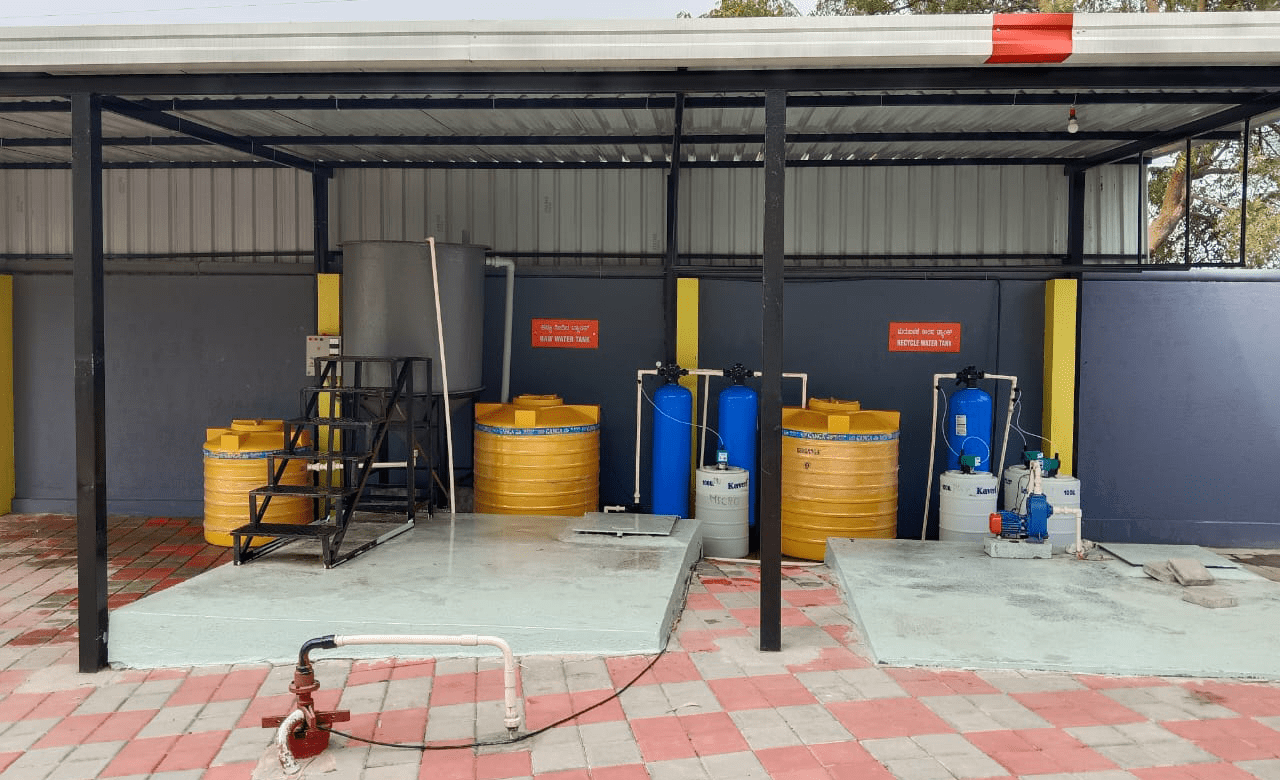
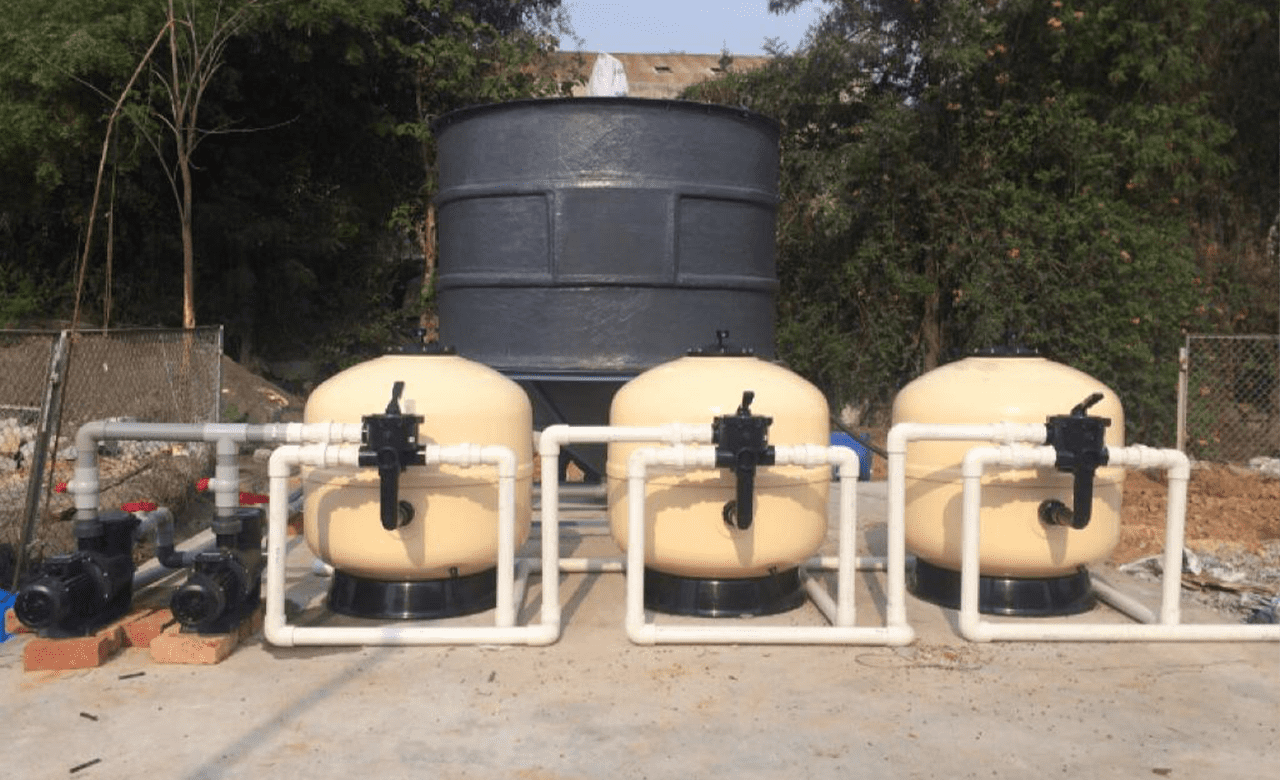
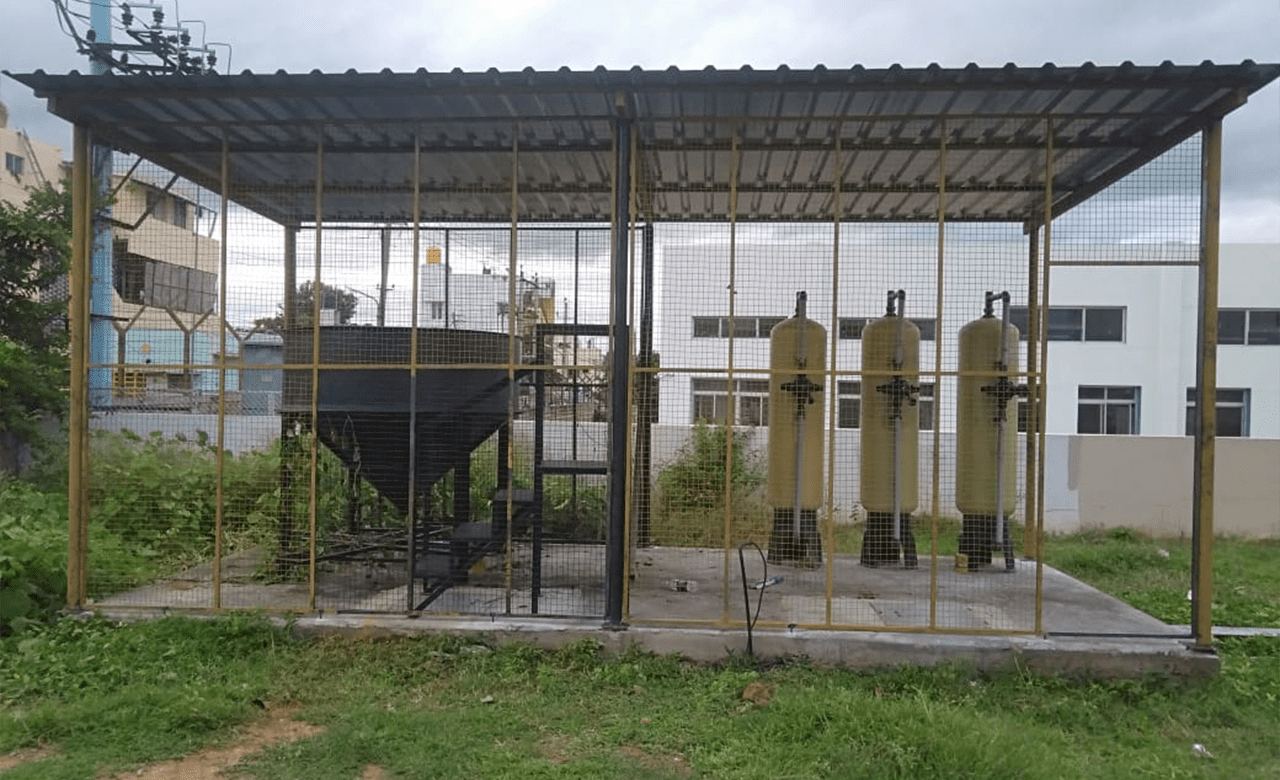
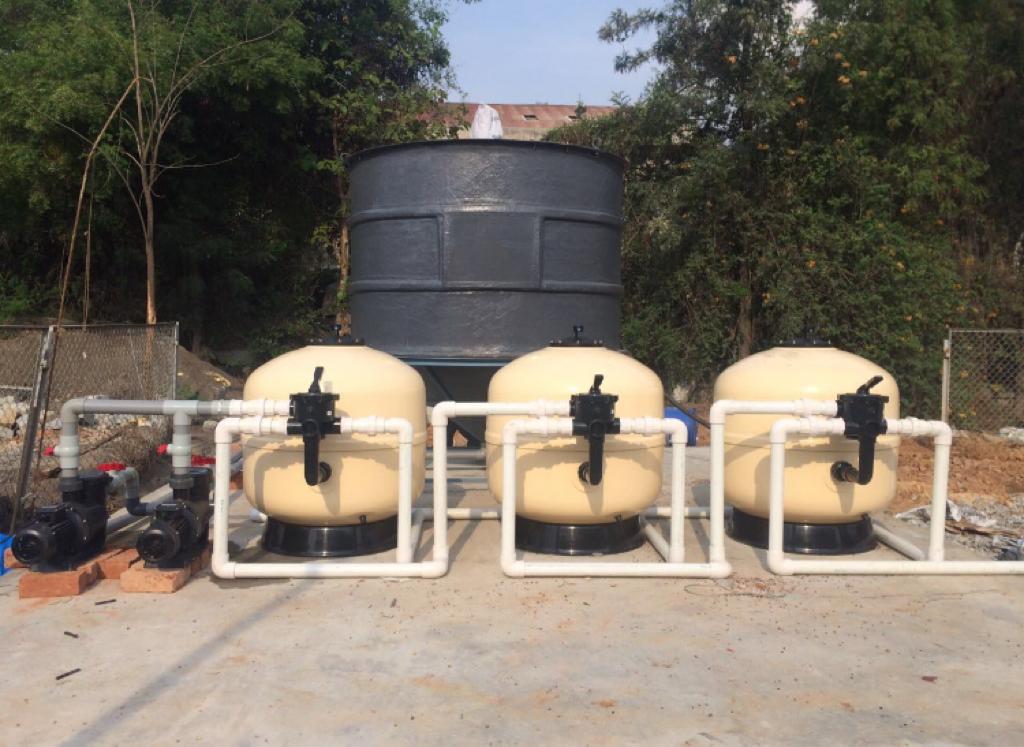
We introduce a unique and emerging process called “SMART STP/ETP technology” based on chemical formulation, without too much of dependency on electrical power. Our sewage plant treats sewage (black/grey) and industrial effluent in quick time. The compact design of this plant requires least space and is convenient for installation (it can be installed anywhere, ground or rooftop; even relocation of this plant is easy). Using this technology, we recover good-quality, freshwater water that can be used for multiple purposes, for example, flushing, vehicle washing, gardening, borehole recharge, agriculture, construction, industrial recycling, fire protection, cooling towers and many more. This technology can be used to rejuvenate water bodies such as lakes/ponds.
Key Features For Effluent Treatment Plants(ETP)
- It requires less capital for treating the water to a potable standard
- It delivers waste management services at affordable prices and is environmentally acceptable
- It does not require aerators and biological treatment
- It requires least machinery intervention for maintaining the water
- It consumes low power
- It does not allow algae formation in water storage tanks
- It allows less sludge formation—a maximum of 0.03–0.05% in sewage/easy sludge management
- It provides odorless, fumeless, and nontoxic water.
- It takes less than an hour to treat sewage water of any volume
- It requires minimum manpower. It is a need-based, operator-friendly plant
- It is a plug-and-play technology-based plant
- It takes 5–6 days to install the plant to make to fully functional
- It comes with various treatment capacities—10KL 25KL, 50KL, 100KL, 200KL, 500 KL, and more
Zero Liquid Discharge(ZLD)
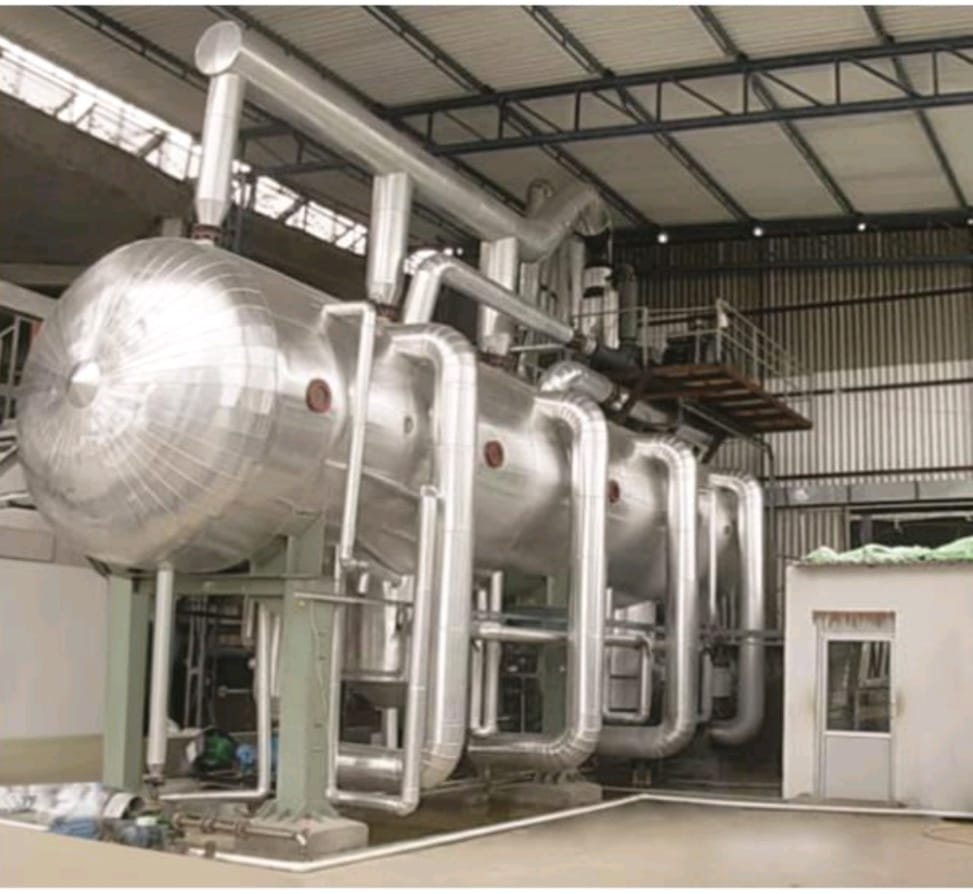
An evaporator is a key component in various industrial processes, including those used in Zero Liquid Discharge (ZLD) systems. Its primary function is to remove water from a solution or slurry by converting it into vapor, leaving behind a concentrated liquid or solid residue. Evaporators are widely used in industries such as food processing, pharmaceuticals, chemicals, and wastewater treatment.
Key Features For Zero Liquid Discharge(ZLD)
- Efficient Water Removal: The primary function of an evaporator is to efficiently remove water or other solvents from a solution, concentrating the desired product or facilitating further processing.
- Energy Efficiency: Modern evaporators are designed to maximize energy efficiency, often utilizing multiple stages (multiple-effect evaporators) or incorporating heat recovery systems to reduce energy consumption.
- Variety of Designs: Evaporators come in various designs, including falling film, rising film, forced circulation, and plate evaporators, each suited to different types of liquids and processing conditions.
- Material Compatibility: Evaporators are constructed from materials compatible with the liquids being processed, such as stainless steel, titanium, or specialized alloys, to prevent corrosion and ensure long-term durability.
- High Heat Transfer Efficiency: Evaporators are engineered to maximize heat transfer efficiency, ensuring that the maximum amount of water is evaporated with minimal energy input. This is often achieved through the use of thin films, large surface areas, or agitated surfaces.
- Scalability: Evaporators can be scaled to fit various production sizes, from small laboratory units to large industrial-scale systems, making them versatile for different applications.
- Automation and Control: Modern evaporators often feature advanced automation and control systems that allow precise regulation of temperature, pressure, and flow rates, optimizing performance and ensuring consistent product quality.
- Low Fouling and Maintenance: Some evaporator designs are optimized to minimize fouling (buildup of solids or scaling on heat exchange surfaces), reducing the frequency of maintenance and ensuring continuous operation.


